
Explore Movie Vocabulary
Learn English with movies. Discover how much of a movie’s vocabulary you already know and review unfamiliar words before watching.
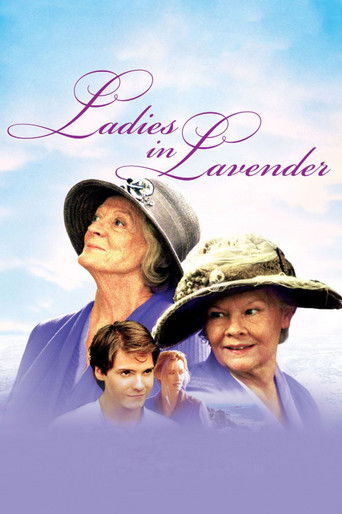
Ladies in Lavender
Unique vocabulary and phrases by level
How difficult is Ladies in Lavender in English?
Ladies in Lavender: 69.2% A1–A2 vocabulary; 15.7% B2, C1, and rare vocabulary. Vocabulary size: 1,000.
Unique vocabulary
- For A2 learners: 24.6% of unique vocabulary is above A2 or marked rare. Expect substantial preparation; start with short scenes and English subtitles.
- For B1 learners: 15.7% of unique vocabulary is above B1 or marked rare. Preview recurring words and use English subtitles.
- For B2 learners: 11.5% of unique vocabulary is above B2 or marked rare. Preview recurring words and use English subtitles.
6.2% Unclassified. Unclassified vocabulary has no reliable level assignment.
Vocabulary weighted by word occurrences
92.0% A1–A2 vocabulary; 4.1% B2, C1, and rare vocabulary; 1.8% Unclassified.
This counts repeated eligible words. Phrases are excluded from this calculation to avoid counting their component words twice.
Recurring words and phrases to preview
- spud (rare): 6 occurrences in available subtitles.
Subtitle example:
You put the peel in here and the spuds in here.
- patient (B1): 5 occurrences in available subtitles.
Subtitle example:
I'll look in on the patient.
- pilchard (rare): 5 occurrences in available subtitles.
Subtitle example:
[Dorcas]: So you want pilchards, do you?
- rise in (B1): 5 occurrences in available subtitles.
Subtitle example:
I love the white rose in its splendour
- tune (B1): 5 occurrences in available subtitles.
Subtitle example:
[Tuning]
Compare with titles in similar genres
- Song to Song: 15.9% B2, C1, and rare vocabulary (0.1 percentage points more than Ladies in Lavender).
- Valley of the Dolls: 16.1% B2, C1, and rare vocabulary (0.4 percentage points more than Ladies in Lavender).
- Mo Better Blues: 14.9% B2, C1, and rare vocabulary (0.8 percentage points less than Ladies in Lavender).
These percentages describe vocabulary, not the proportion of dialogue you will understand. CEFR labels are estimates, not official film ratings. Accent, speed, songs, context, and your own vocabulary also affect comprehension. Repeated occurrences may include repeated dialogue or lyrics.
How we estimate vocabulary difficulty · Evidence generated: